

 See My Latest Article on HelloNation
What should you do immediately after a crash?
After a collision, protect people first, document the scene, and notify the appropriate authorities and insurance company. The steps taken in the first few minutes can make it easier to establish what happened and prevent missed reporting deadlines.
If anyone is seriously injured, call 911. Do not move an injured person unless remaining in the vehicle creates an immediate danger, such as fire or traffic exposure. Turn on hazard lights, use warning devices if available, and move vehicles only when it is safe and necessary to avoid another collision.
New York drivers should exchange:
- Full names and contact information
- Driver’s license numbers
- Vehicle descriptions and license plate numbers
- Insurance company and policy information
- Names and contact information for vehicle owners, if different from the drivers
Avoid arguing about fault at the scene. A simple statement such as “I’m glad no one appears seriously hurt” is safer than admitting responsibility or speculating about speed, visibility, or right of way.
Should you call the police after a minor accident?
Calling the police is generally a practical step, especially when there are injuries, disagreement about what happened, suspected impairment, significant damage, blocked traffic, or unsafe road conditions. A police report can document the location, vehicles, drivers, witnesses, and visible circumstances.
New York law separately requires a driver to report a crash to the Department of Motor Vehicles when it involves a death, personal injury, or property damage exceeding $1,000 to any one person. The required MV-104 report must generally be filed within 10 days of the crash. Reporting the accident to an insurance company does not replace this DMV filing.
Damage can be difficult to estimate immediately. Bumpers, sensors, lights, suspension components, and other parts may be damaged beneath the surface. If there is any reasonable possibility that the damage exceeds the threshold, preserve photographs and consider whether a DMV report is required.
What information and photographs should you collect?
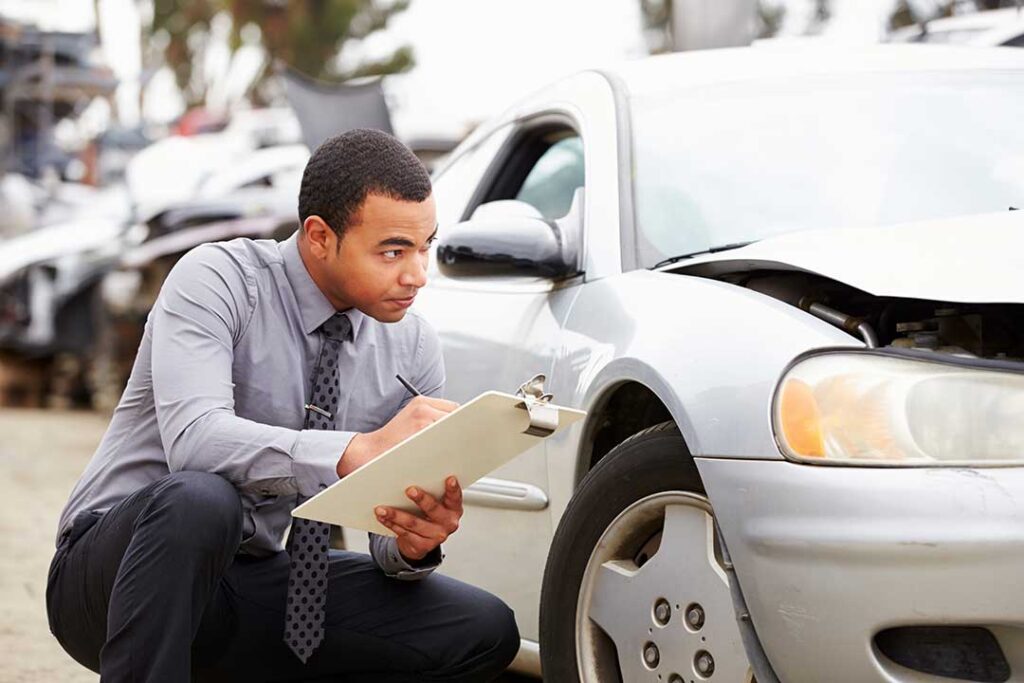
Take photographs before vehicles are moved, if doing so does not create a safety risk. Capture the entire scene as well as close-up details.
Useful photographs include:
- Each vehicle from several angles
- License plates and visible damage
- The roadway, lane markings, traffic controls, and nearby signs
- Skid marks, debris, fluid leaks, and vehicle positions
- Weather, lighting, snow, ice, or standing water
- Damage to guardrails, fences, mailboxes, signs, or other property
Seasonal conditions can matter in Saratoga Springs. Snowbanks may restrict sight lines, freezing temperatures can create slippery pavement, and heavy rain can affect visibility and stopping distance. Photographing those conditions can help preserve information that may change quickly after a plow passes, temperatures rise, or traffic resumes.
Write down what you remember while the details are fresh. Include the approximate time, direction of travel, lane, traffic signal, road condition, weather, and what happened immediately before and after impact. Do not alter photographs or delete messages, dash-camera files, or location information that may help establish the sequence of events.
When should you notify your insurance company?
Notify your own insurer promptly, even if you believe the other driver was responsible or the damage appears minor. Most policies require timely notice, and early reporting allows the insurer to investigate while evidence and witness recollections are still available.
When reporting the claim, provide facts rather than conclusions:
- Date, time, and location of the crash
- Names of drivers, passengers, and witnesses
- Police or incident report information, if available
- Description of damage and any apparent injuries
- Photographs, video, and contact information collected at the scene

Ask for the claim number and keep a record of the date, time, and name of each person spoken with. Save emails, letters, estimates, medical bills, receipts, towing invoices, and transportation expenses in one place.
Reporting a claim does not automatically mean the insurer has decided who was at fault. It starts the investigation. Coverage and payment depend on the policy, the facts of the accident, and applicable New York insurance rules.
How does New York no-fault insurance work?
New York no-fault insurance generally helps pay accident-related medical expenses, certain lost earnings, and other eligible expenses without requiring an injured person to first prove who caused the crash. It does not pay to repair the vehicle.
For an injured driver or passenger, the no-fault claim is generally filed with the insurer covering the vehicle occupied at the time of the accident. A pedestrian usually files with the insurer of the vehicle that struck them. Written notice should be provided as soon as reasonably practicable and generally no later than 30 days after the accident, unless a legally recognized justification supports late notice.
The insurer may send a no-fault application and related forms after receiving notice. Complete and return requested forms promptly. Tell medical providers that treatment is related to an automobile accident, and keep copies of bills, appointment records, prescriptions, mileage, and documentation of lost work.
No-fault coverage is different from a bodily injury liability claim. New York’s no-fault system limits lawsuits for pain and suffering to situations involving a legally defined serious injury. Questions about serious injury, disputed liability, or benefits beyond basic coverage may require individualized legal guidance.
Who pays for vehicle damage?
Vehicle damage may be handled through your own collision coverage or through the at-fault driver’s property-damage liability coverage. Collision coverage usually involves a deductible. A claim against another driver’s insurer may depend on the investigation and the percentage of fault assigned.
Do not authorize extensive repairs before asking how the insurer wants the damage inspected. Keep damaged parts and do not dispose of the vehicle until the claim process permits it. If the car is not safe to drive, document its condition and keep towing and storage records.
An insurer may inspect the vehicle and evaluate whether repair is practical or whether it is a total loss. If the vehicle is declared a total loss, compare the valuation with the vehicle’s actual condition, mileage, equipment, maintenance, and comparable vehicles. The settlement is typically affected by the policy’s coverage, deductible, and applicable valuation method.
What should you do if symptoms appear later?
Do not assume that feeling fine immediately means there is no injury. Pain, stiffness, headaches, dizziness, or stress reactions may appear hours or days later. Seek appropriate medical attention and explain that the symptoms followed a motor vehicle accident.
Notify the insurer about new symptoms and keep medical documentation. Avoid posting accident details, photographs, or opinions about fault on social media while the claim is under review. Public statements can be misunderstood or separated from the surrounding facts.
What if the other driver leaves or has no insurance?
Record everything available, including the vehicle’s make, model, color, plate number, travel direction, and any witness information. Report a hit-and-run promptly to law enforcement and your insurer.
Uninsured-motorist coverage may help with certain injuries caused by an uninsured or unidentified driver, subject to policy terms and reporting requirements. The timing of police and insurance reports can matter, so do not delay.
Keep a simple accident file until the claim is fully resolved. Include the police or DMV report, claim correspondence, photographs, medical records, repair documents, rental or transportation receipts, and notes of conversations. This organized record is particularly useful when a winter crash, delayed symptoms, multiple vehicles, or disputed facts make the claim more complicated.